
Italian comfort food is a beloved cuisine around the world, cherished for its warmth, flavor, and simplicity. However, capturing the true essence of authentic Italian comfort food can be somewhat elusive. In this FAQ blog, we'll unveil the secrets to making those heavenly dishes that embody comfort and tradition.
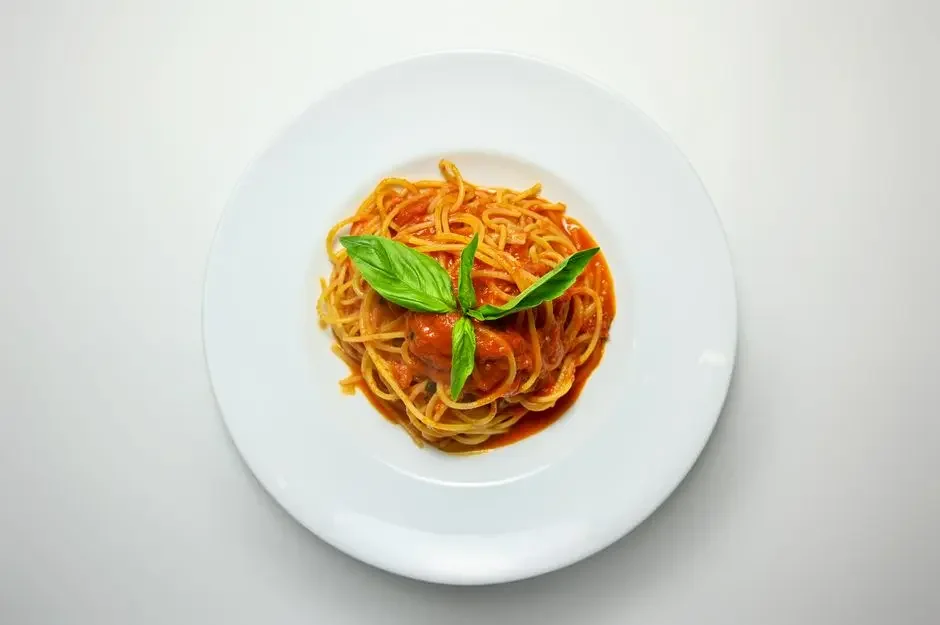
Understanding the Basics of Italian Culinary Tradition
Start with fresh, high-quality ingredients. The heart of Italian cooking lies in its simplicity and reliance on the natural flavors of good produce, cheese, and meats.
One of the most crucial aspects of authentic Italian comfort food is focusing on seasonal ingredients. By doing so, you ensure that your dishes are not just fresh but also at the height of flavor. A tomato at its peak can transform a simple pasta sauce into something truly divine.
Authentic Italian cooking also values minimalism over complexity. Each dish is designed to highlight one or two main ingredients, allowing their natural flavors to shine. This approach not only simplifies cooking but also creates a more concentrated and satisfying taste experience.
The Role of Regional Differences
Italy is a country with diverse culinary traditions. Knowing regional specialties can help you reproduce dishes as they were originally intended.
Regional variations in Italy play a significant role in defining what constitutes comfort food in different areas. In the north, you'll find creamy risottos and stuffed pastas, while the south offers vibrant vegetable dishes and hearty sauces. An understanding of these differences helps in appreciating the country's rich culinary tapestry.
Exploring regional ingredients can deepen your appreciation for Italian cuisine. For example, use authentic Pecorino cheese from Sardinia or Balsamic vinegar of Modena to add a genuine Italian touch to your meals.
Mastering Essential Techniques
Perfecting cooking methods such as al dente pasta, appropriately thick sauces, and the art of risotto contributes greatly to the authenticity of your dishes.
When it comes to pasta, cooking it al dente is key. This technique not only enhances the texture but also ensures that the pasta retains its full flavor and nutritional value. It's a simple yet crucial step in achieving authentic Italian taste.
Making risotto is an art form in Italy that involves patience and precision. Slowly adding broth allows the rice to absorb flavors gradually, resulting in a creamy yet firm texture that’s a staple of Italian comfort food.
Using the Right Tools
Investing in basic but essential kitchen tools such as a quality knife, pasta maker, and heavy-bottomed pots can make a significant difference in your cooking results.
A good-quality knife makes all the difference in preparation. Whether you're dicing tomatoes for a fresh sauce or mincing garlic, a sharp blade ensures precision and ease, cutting down your prep time significantly.
Consider incorporating traditional kitchen tools like a mortar and pestle to crush herbs and spices. This old-school method releases oils more efficiently than modern gadgets, maximizing flavor in sauces and seasonings.
Infusing Family and Tradition
Italian food is as much about heritage as it is about taste. Keep family recipes alive and appreciate the cultural significance behind each dish.
Family meals in Italy often feature same dishes passed down through generations, each carrying its own story. These recipes are more than just food; they are living histories that connect family members across time and location.
Keeping these traditions alive doesn't mean sticking rigidly to the past but rather respecting its essence. Feel free to adapt recipes to suit your taste, as long as you honor the spirit and basic principles that make it uniquely Italian.
Pairing with the Perfect Wine
Choosing the right wine to complement your meal enhances the overall dining experience, highlighting the flavors of your comforting Italian dish.
The complexity of Italian wines pairs harmoniously with traditional flavors. For example, a Chianti complements the rich depth of a Bolognese sauce, while a crisp Pinot Grigio can elevate lighter seafood pasta.
Don't shy away from experimenting with unconventional pairings. Trust your palate and find that perfect match that enriches both the food and the wine.
For more guidance, consider checking out local wine pairing guides or expert advice when planning your next Italian dinner. A little research can go a long way in preparing a meal that promises both authenticity and satisfaction.
Bringing Italian Comfort to Your Table
Authentic Italian comfort food is more than just ingredients and recipes; it's about embracing a way of cooking that values tradition, quality, and love for the food. By following these steps, you can create dishes that not only taste delicious but also bring a slice of Italy into your home.