Celebrating Flavors: The Art of Crafting Pizza and Pasta
Pizza and pasta—two words that evoke a sense of warmth, comfort, and indulgence. These dishes are not just food; they are a celebration of flavors, textures, and culinary traditions that have captivated hearts and taste buds around the world. In this blog, we'll explore the artistry involved in crafting these beloved dishes, from their rich histories to the exquisite techniques that make them unique.
The Rich History of Pizza and Pasta
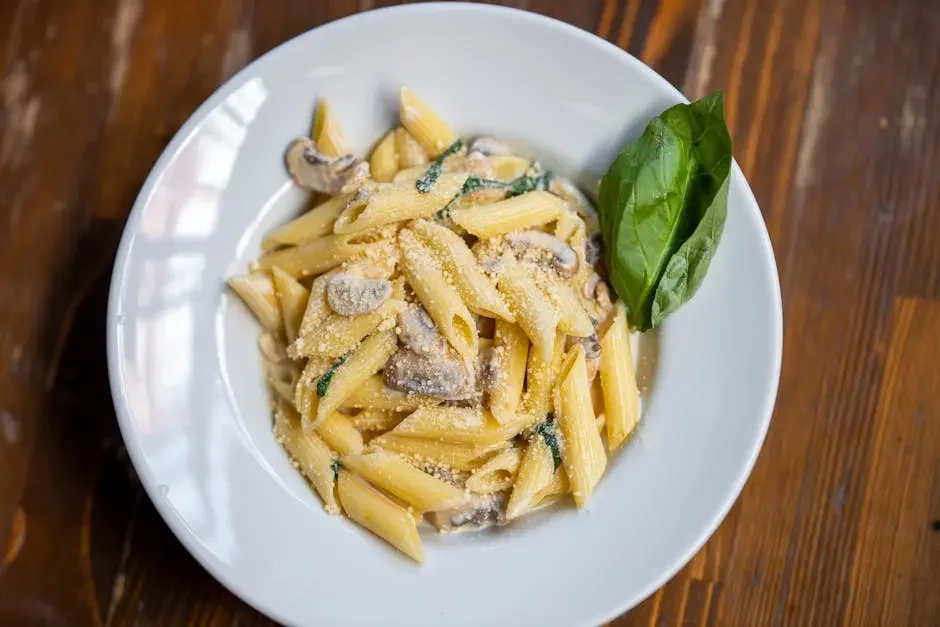
Pizza and pasta have a long and fascinating history that dates back centuries. Originating from Italy, these dishes have become global favorites, each with its own unique story and cultural significance. Understanding their origins enhances our appreciation for these culinary arts.
Pizza, in particular, originates from humble beginnings as a simple dish for the working class in Italy. It was initially a flatbread garnished with various toppings depending on what was available. The introduction of the tomato in the 18th century forever changed pizza's trajectory, transforming it into the iconic dish we know today.
Pasta's history is equally captivating. Often debated as originating from China or Italy, pasta has been a staple in Mediterranean cuisine for centuries. The art of pasta-making has evolved significantly, with regions of Italy developing their own unique styles and shapes, each contributing to the rich tapestry of pasta dishes available today.
Essential Ingredients: The Foundation of Flavor
At the heart of any great pizza or pasta dish are quality ingredients. From the flour used in dough to the fresh tomatoes, herbs, and cheeses, each element plays a crucial role in the dish's final taste. We'll delve into what makes these ingredients special and how to choose the best for your creations.
Flour is the foundation of both pizza and pasta. For pizza, using a high-protein flour can make a significant difference, offering elasticity and a crisp texture. Pasta, on the other hand, benefits from semolina flour, which gives it a coarser texture that's perfect for holding onto sauces.
When it comes to toppings and sauces, fresh tomatoes are indispensable. Opt for ripe, vibrant tomatoes to make a robust sauce that forms the heart of your dish. Herbs like basil and oregano add aromatic flavors, while quality cheeses such as mozzarella or Parmigiano-Reggiano elevate taste to new heights.
Mastering the Dough: The Canvas of Pizza
Creating the perfect pizza starts with mastering the dough. It's the blank canvas that holds the pizza together and can make or break the entire dish. Learn the techniques for achieving the ideal dough consistency and texture, ensuring a delightful bite every time.
Key to achieving the right dough is understanding the balance of ingredients and the action of yeast. The dough must be kneaded to develop gluten, which provides strength and elasticity. Allowing the dough to rise slowly through fermentation transforms the structure, enriching the flavor and creating bubbles that lead to a beautifully chewy crust.
Experimenting with different hydration levels can significantly affect your crust. Higher hydration dough results in a lighter, airier crust, while lower hydration offers a denser, more robust base. Whether you prefer a thick or thin crust, mastering these techniques is crucial for creating your ideal pizza base.
Crafting Homemade Pasta: From Scratch to Finish
Homemade pasta is a labor of love that rewards with unmatched texture and flavor. Discover the process of making pasta from scratch, from mixing the dough to cutting it into perfect forms. With practice and patience, you can enjoy pasta dishes like never before.
Making pasta from scratch starts with simple ingredients: flour, eggs, and a pinch of salt. Mixing and kneading the dough by hand or with a machine develops the protein structure necessary for the pasta's consistency. Resting the dough is essential, allowing the gluten to relax and making it easier to roll out.
Once the dough is prepared, it's time to shape it. From sheets of lasagna to delicate strings of spaghetti, each form has its own charm and application. Remember to dust with flour between rolls to prevent sticking, and use a sharp knife or cutter for clean edges.
Exploring Sauce Varieties: The Flavor Enhancers
Whether it's a tangy tomato sauce for pizzas or a rich cream sauce for pasta, sauce plays a pivotal role in elevating a dish's character. We'll explore different types of sauces and their preparation, offering tips to suit various tastes and preferences.
Tomato-based sauces are versatile and popular for both pizza and pasta. A simple marinara can be elevated with fresh garlic, onions, and a hint of red pepper for a bit of spice. For an intensely rich flavor, a Bolognese sauce with slow-cooked meat offers deep umami tones that are irresistible.
For those favoring creamier sauces, Alfredo and Carbonara are classics. Each relies on the silky harmonization of butter, cream, or eggs, and cheese. The choice of sauce can transform a simple pasta dish into an elevated creation, showcasing the myriad ways these dishes can delight the senses.
Pairing Pizza and Pasta with the Perfect Beverage
The right beverage can complement and highlight the flavors of pizza and pasta dishes. From selecting the ideal wine to opting for refreshing non-alcoholic options, discover how to create harmonious pairings that enhance your dining experience.
When it comes to wine, a classic red like Chianti pairs beautifully with tomato-based sauces, enhancing the acidity and richness. For cream sauces, a white wine such as Chardonnay can complement the creamy texture without overpowering the dish. Meanwhile, effervescent drinks like sparkling water or sodas can cleanse the palate between bites, maintaining the flavor journey.
Consider non-alcoholic options such as herbal iced teas or Arnold Palmers for a refreshing counterpoint to rich flavors. Balancing the meal with the right drink adds a finishing touch to dining, allowing every bite to be savored to its fullest potential, enhancing the overall experience.
Embrace the Art of Culinary Creation
In the world of culinary arts, pizza and pasta hold a special place, not just for their delightful flavors but for their power to bring people together. As we've seen, crafting these dishes is an art form that combines tradition, creativity, and passion. Whether you're a home cook or a professional chef, embracing the art of pizza and pasta making can transform simple ingredients into memorable experiences. So, don your apron, gather your favorite ingredients, and start creating your own masterpiece today!